Driveway Pavers: Base Depth, Compaction and 25-Year Cost
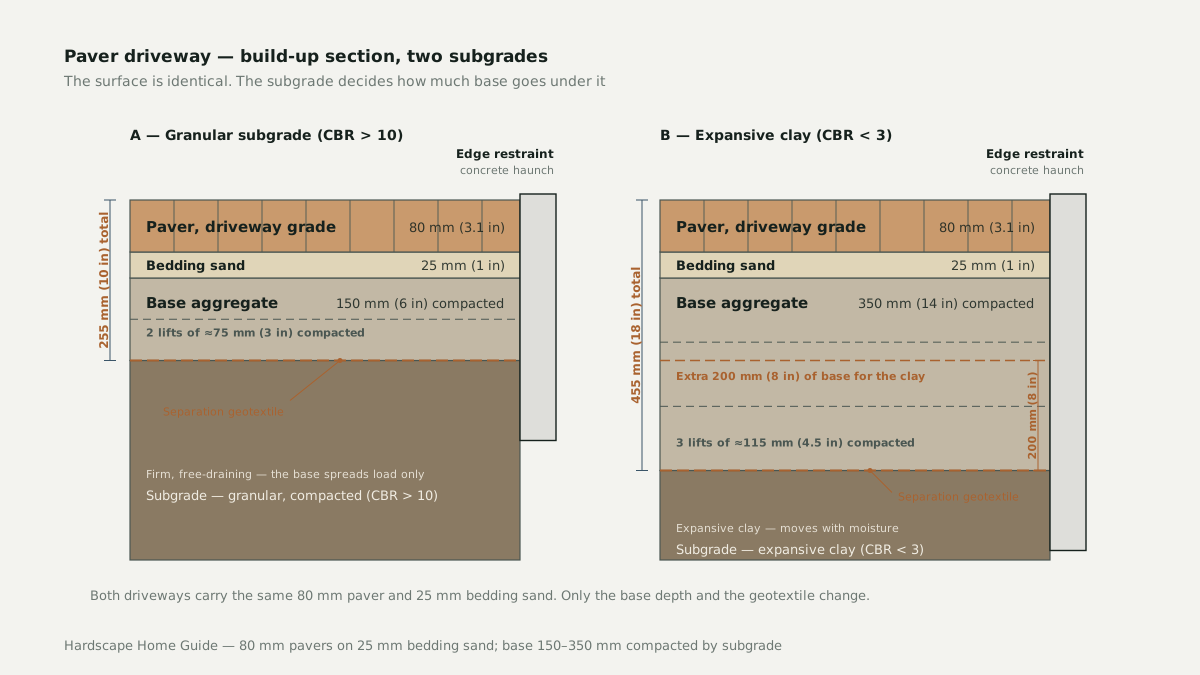
A driveway carries a load a patio never sees. Here are the base depths, compaction lifts and edge restraint that decide whether driveway pavers last 25 years or rut in three.
 Daniel Whitfield
A driveway carries a load a patio never sees. Here are the base depths, compaction lifts and edge restraint that decide whether driveway pavers last 25 years or rut in three.
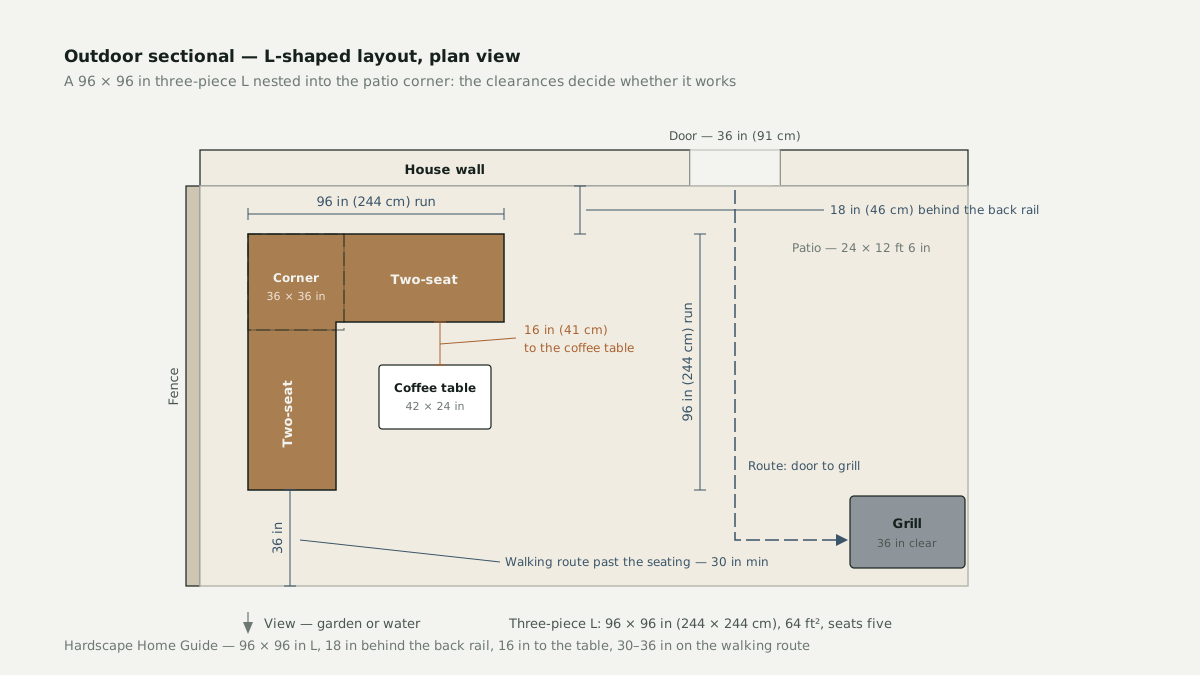
An outdoor sectional is a layout decision before it is a furniture purchase. How to size the run, orient the L, and choose cushions and frames that last a decade.
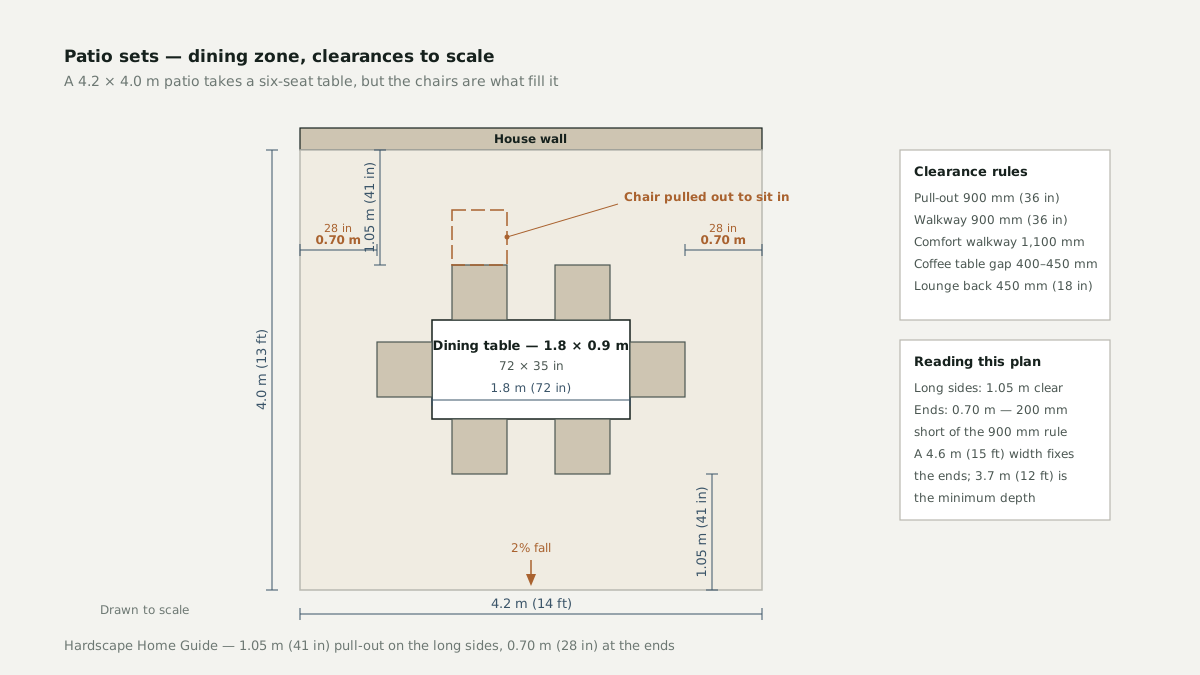
Most patio sets fail on layout, not quality. Measure the clear rectangle, get the clearances right, size the table to the seat count, and buy once.
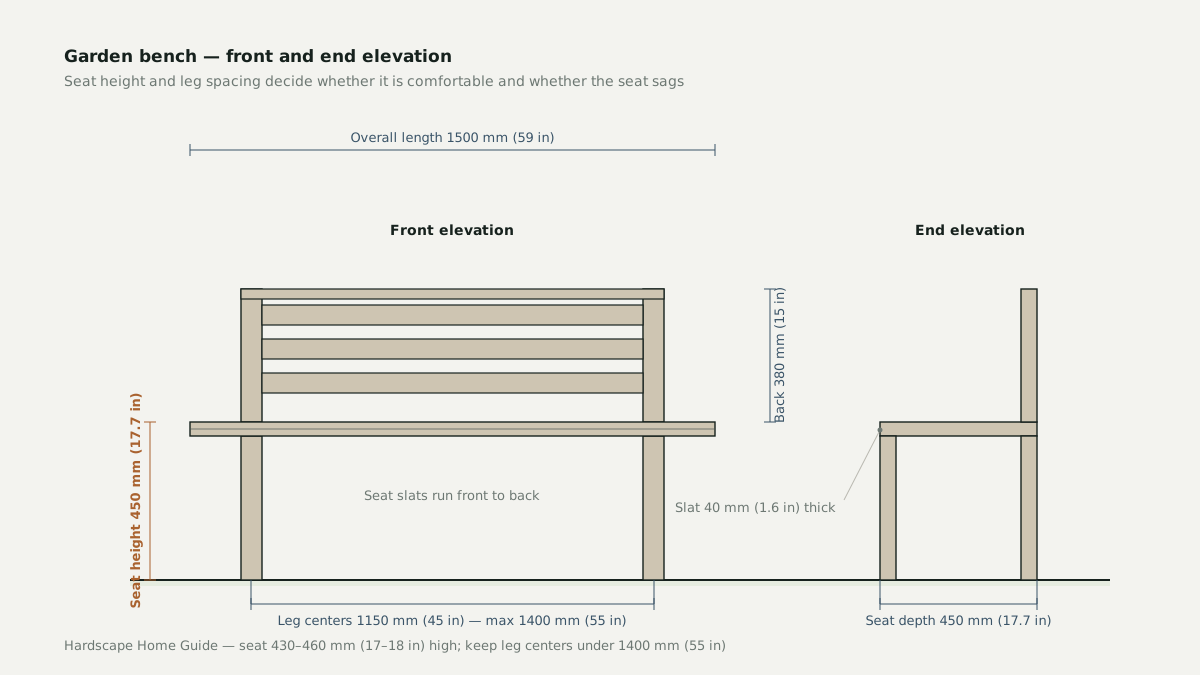
Garden benches fail at the joints and the feet, not the seat. How to read durability classes, judge joinery, set the feet clear of soil, and decide whether to oil at all.
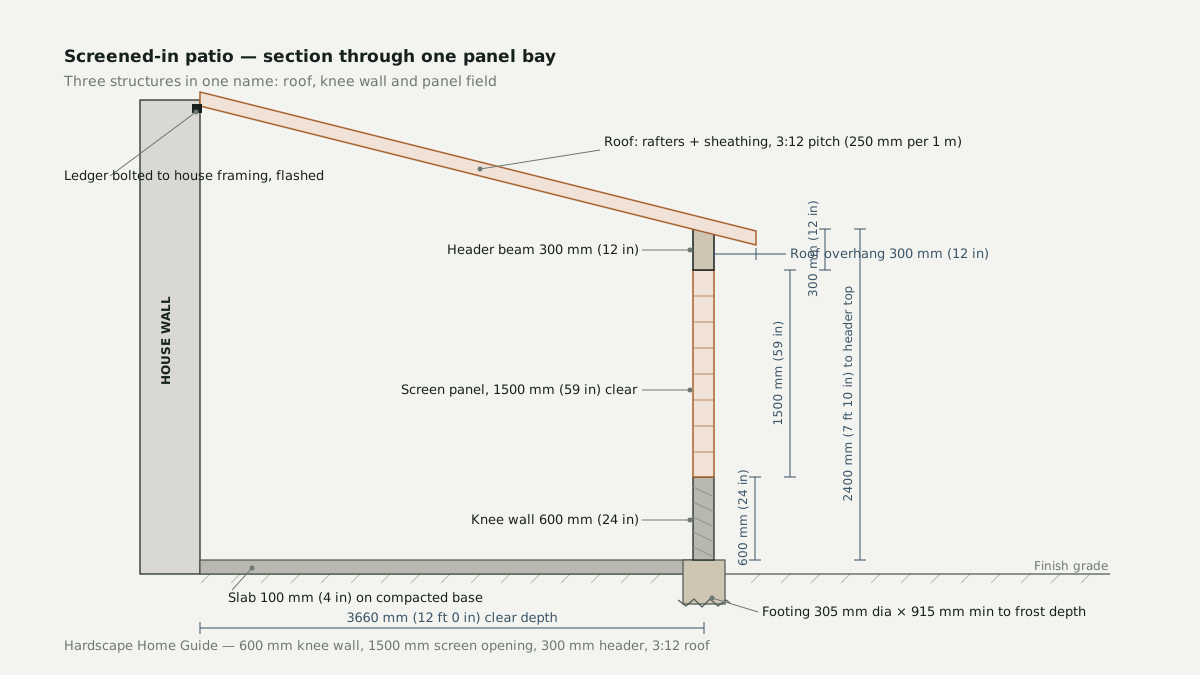
A screened-in patio is three structures wearing one name: a roof, a knee wall and a field of panels. Each has its own cost, its own code question and its own failure mode.
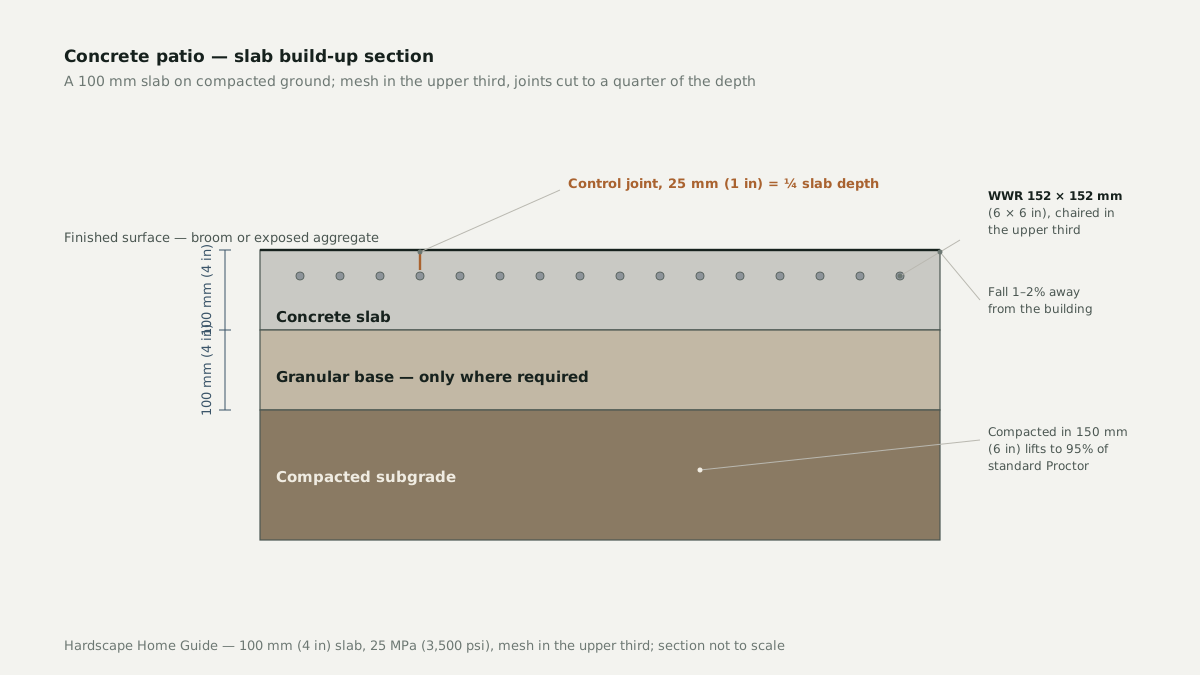
Concrete is the cheapest hard surface per square foot and the least forgiving of shortcuts. A specification guide to thickness, base, joints, strength, finish and cost.
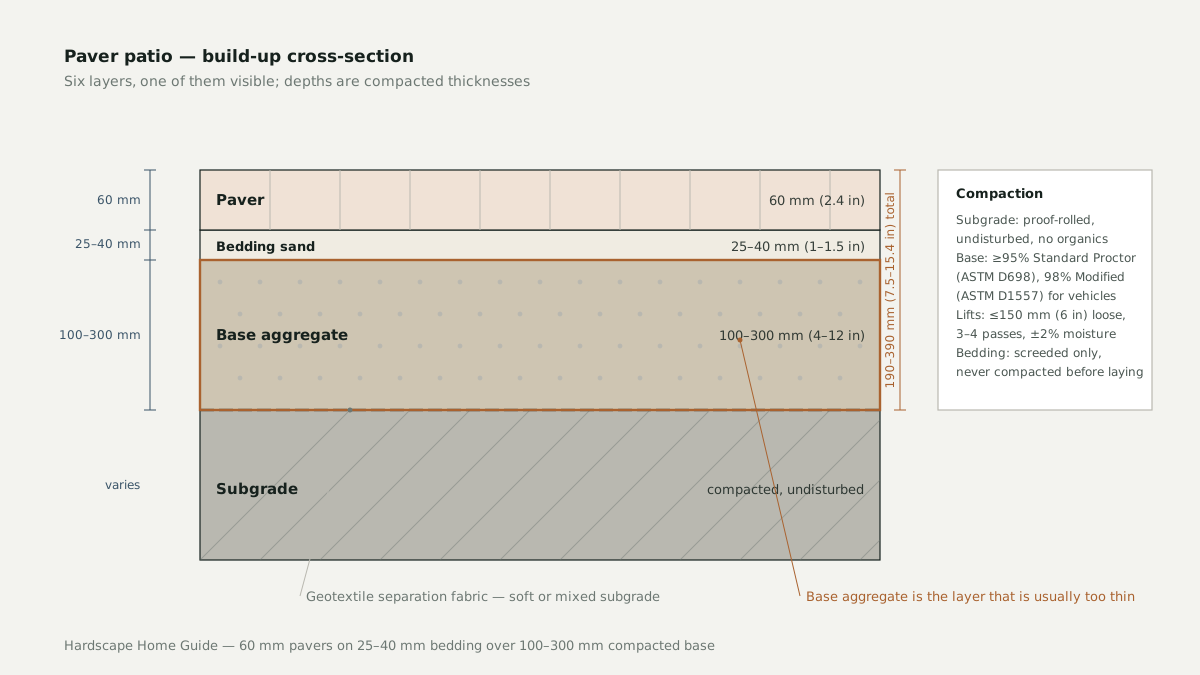
Pavers are the visible 60 mm of a system that is mostly buried. Every layer below them — base depth, bedding sand, edge restraint and fall — decides how long the surface lasts.
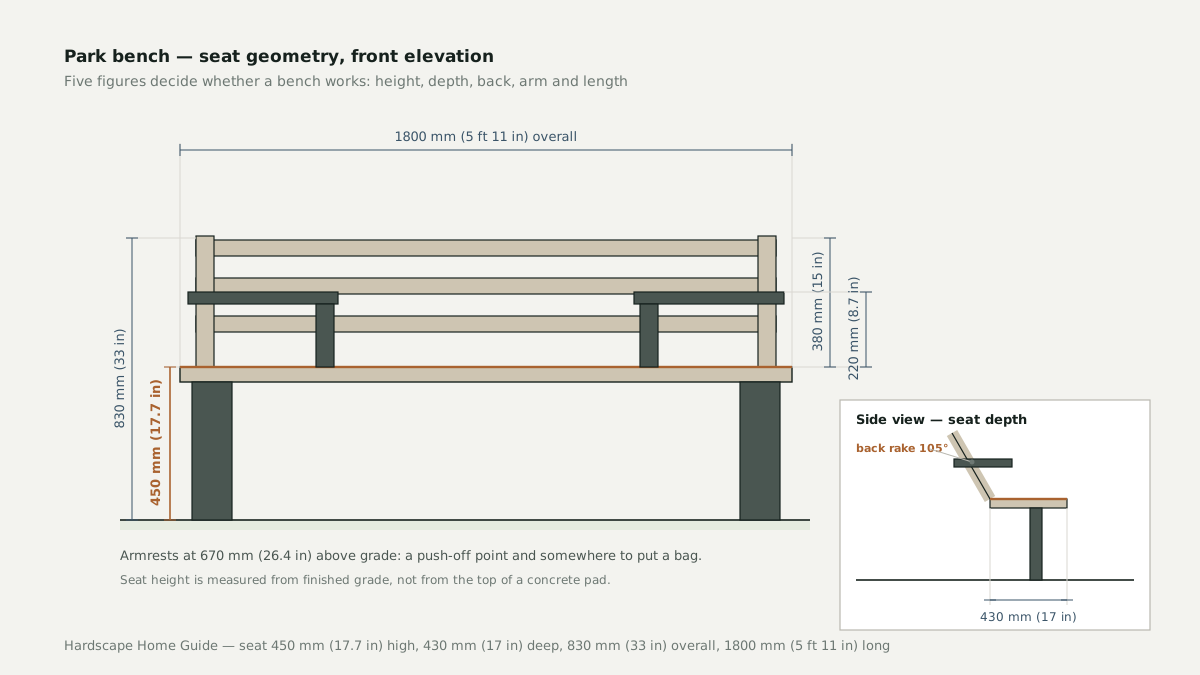
Park benches are specified, not shopped for. Seat depth, footing depth and the material you pick decide whether a bench serves ten years or thirty.
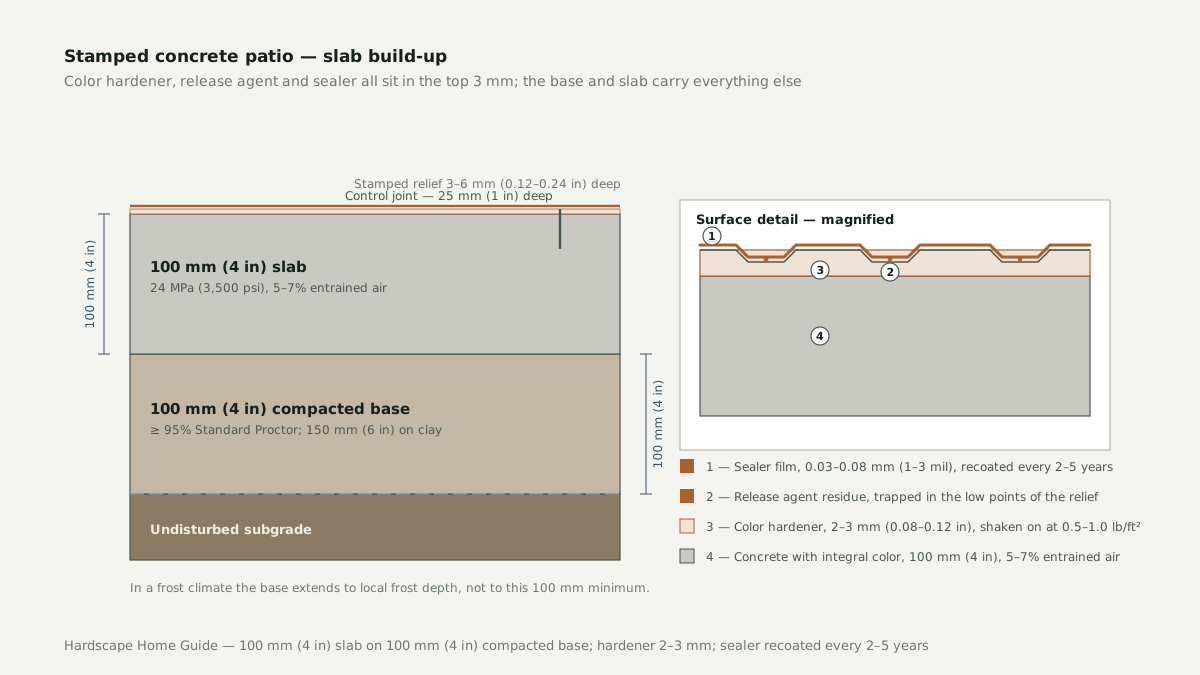
Stamped concrete is the cheapest way to buy a stone look and the least forgiving surface to get wrong. What drives the price, what decides the outcome, and the six ways stamped patios fail.
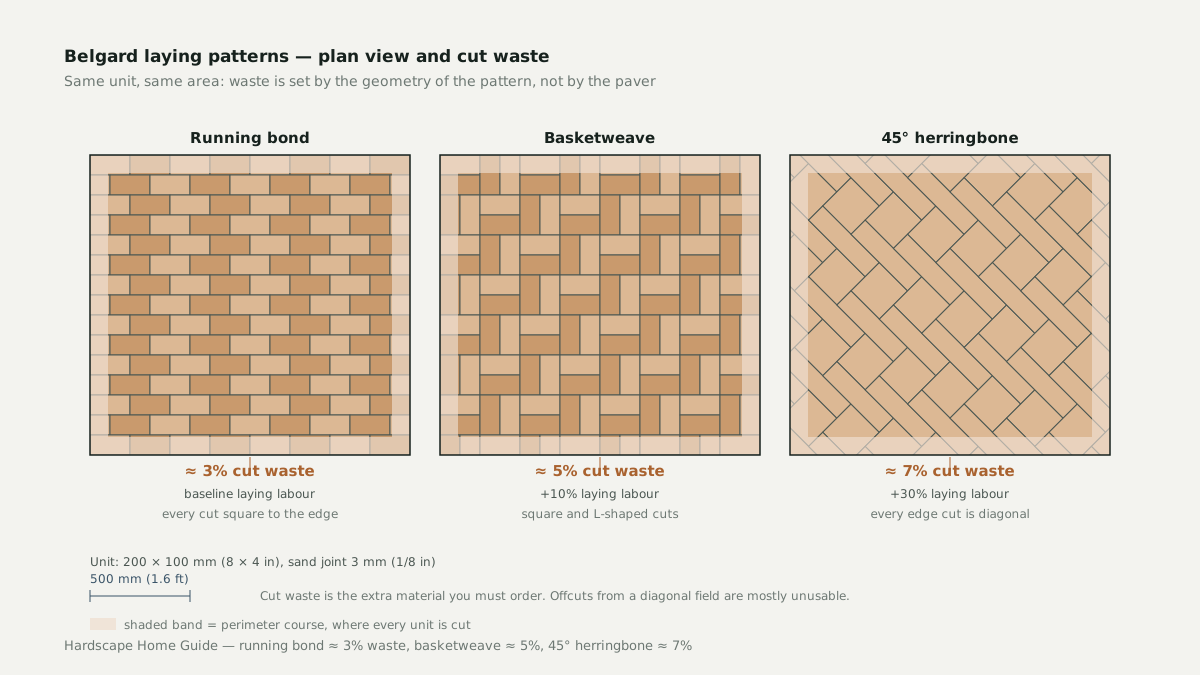
Belgard is a brand, not a specification. What the product lines, thicknesses and standards actually give you, and the six numbers every quote should itemise.
